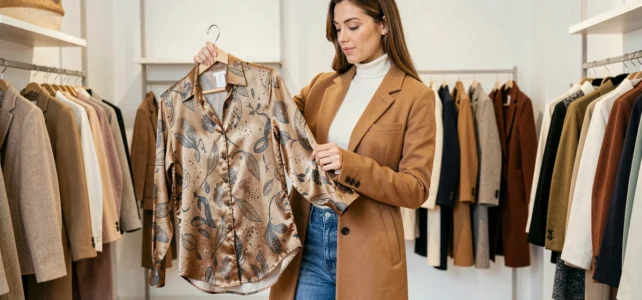
The fashion market in France is going through a contraction phase. Purchase volumes are declining, frequency is decreasing, and a majority of households report wanting to prioritize reducing their clothing budget. In this context, fashion trends and shopping habits are being reconfigured around less visible criteria than seasonal colors or key pieces: shopping channels, trade-offs between new and second-hand, and the relationship with physical stores.
Physical stores, e-commerce, and second-hand: where the fashion budget is going
The shopping channel weighs as much as the choice of a piece in the actual fashion budget. Recent data shows a rebalancing between online commerce and physical stores, with a net advantage for brands that combine both.
| Shopping Channel | 2026 Trend | Strength |
|---|---|---|
| Omnichannel Brands | Stronger resistance than pure players | Consistency between store and website |
| Physical / Local Stores | Marked return of consumers | Fitting, advice, immediate purchase |
| Textile Second-Hand | Steady growth in volumes | Low prices, responsible approach |
| Social Media and AI | Significant increase in discovery channels | Inspiration and targeted recommendations |
This table summarizes a structural shift. Omnichannel brands are faring better than pure players in a declining market. The physical store is not in decline: consumers are returning, especially for thoughtful purchases.
To find fashion pieces sorted by category and style, the shopping selections on Autour de Chloé compile updated references that facilitate comparison before purchase.
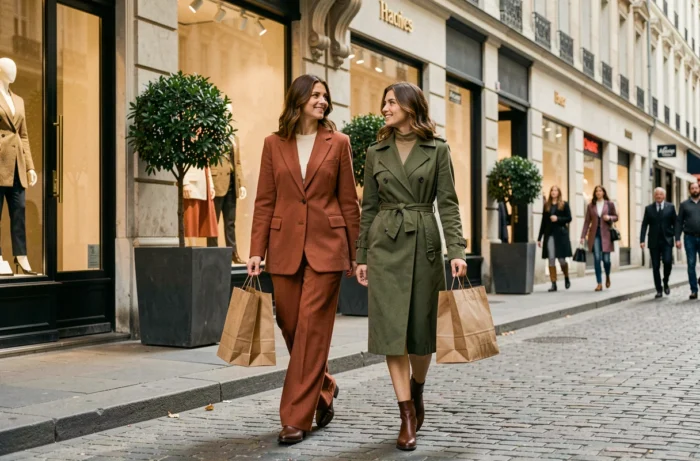
Textile Second-Hand: A Segment Impacting the Fashion Market
Second-hand is no longer a niche market confined to vintage thrift stores. In France, textile second-hand accounts for about 7% of the textile volumes consumed, a share that grows each year, driven as much by budget constraints as by a responsible fashion logic.
The segment has become structured. Specialized platforms now coexist with traditional brands that incorporate resale into their own circuits. Luxury is not escaping the movement: online resale platforms for high-end products are developing in France with high growth rates.
What This Changes for Fashion Shopping
A buyer looking for a dress, coat, or seasonal accessories now has three price levels for the same product category: new mass-market, new designer, second-hand. The trade-off is no longer just about style but about the quality-price-durability ratio.
- Premium brand clothing retains significant resale value, which reduces the actual cost of ownership over two or three seasons.
- Basic pieces (jeans, t-shirts, knitwear) can be found second-hand at prices significantly lower than new, often in a condition close to new.
- Accessories (bags, belts, jewelry) represent the segment where the price gap between new and second-hand is most pronounced, especially for leather and leather goods.
This reconfiguration directly affects trends: a collection piece from a previous season can become more sought after than the current novelty because it is available at an accessible price on the resale market.
Autumn Fashion Trends: The Most Circulated Pieces
The autumn 2026 fashion shows confirm several overlapping directions from one brand to another. A few categories of clothing and accessories are capturing attention.
Wide and structured trousers remain a central piece. After several seasons of slim and fitted cuts, loose silhouettes dominate women’s collections. Heavy materials (wool, corduroy) are making a comeback for the cold season.
The technical windbreaker moves out of the sportswear realm into urban wardrobes. Several houses are offering it in a long version, sometimes lined, with finishes that bring it closer to a classic coat.
Accessories and Complementary Pieces
The wide belt, often borrowed from the men’s wardrobe (like a tuxedo belt), is establishing itself as the accessory of the season. Winter baskets, made of lined wicker or braided raffia, extend the trend of artisanal bags seen in spring.
According to the Lyst Index for the last quarter, Massimo Dutti shows the strongest growth, while Chanel remains at the top of the overall ranking. This type of data helps identify growing brands and underlying market dynamics.
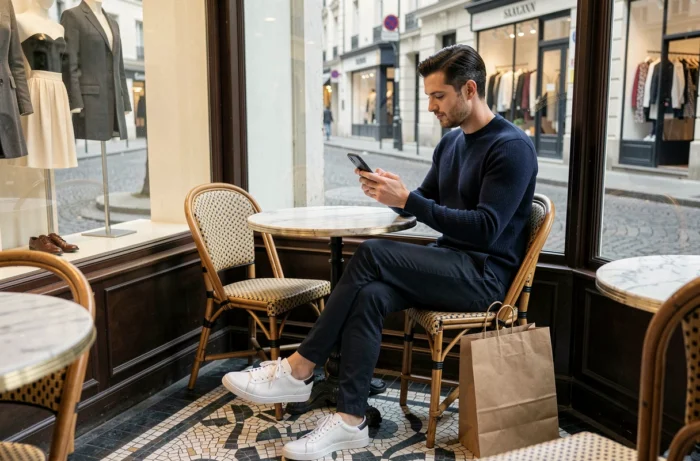
Social Media and AI: How Fashion Discovery is Transforming
Social media and artificial intelligence are becoming major channels for discovering fashion products. This phenomenon goes beyond simple visual inspiration: AI is entering the shopping habits of French consumers, from personalized recommendations to visual search.
The TikTok Shop model, already active in several markets, is influencing shopping behaviors in France. The summer sales of 2026 showed that social platforms are capturing an increasing share of traffic to merchant sites, directly competing with traditional search engines.
- Image search allows users to find a piece spotted on the street or on social media, then compare prices between new and second-hand.
- Recommendation algorithms suggest pieces based on observed style, not just purchase history.
- Fashion content creators are gradually replacing magazines as trendsetters for the 18-35 age group.
This shift towards algorithmic discovery is also changing the notion of trend. A piece can go viral in a few days without going through a fashion show or specialized press. The lifecycle of a fashion trend is shortening, which reinforces the interest in buying durable pieces rather than following every micro-trend.
The fashion market in France is now viewed through these three filters: the shopping channel, the place of second-hand, and the role of digital platforms in prescribing. Style trends remain a visible marker, but the actual trade-offs of consumers are made upstream, focusing on price, durability, and the mode of product discovery.