In France, the regular practice of leisure activities has been gaining ground for several years. According to available data, a large portion of the French population engages in sports at least once a week, a level that has been continuously rising since 2018. This progression is not limited to sports: it reflects an evolving relationship with free time, with more varied expectations depending on the seasons and desires.
Regular sports practice: a fundamental trend reshaping leisure
The increase in weekly sports practice among the French, measured annually since 2018, is not a one-off spike related to the Olympic Games or a passing trend. It is a steady progression observed over several consecutive years.
Another point worth noting: the gap between men and women has significantly narrowed. The difference in weekly sports practice between the sexes no longer exceeds about one point. The feminization of sports leisure is changing the composition of clubs, group classes, and outdoor activities.
To explore leisure on Partagez, this evolution opens up concrete avenues when looking for an activity suitable for a mixed group or a couple.
This near parity also reflects an expansion of accessible disciplines. The offerings of workshops, indoor classes, and guided hikes have multiplied to meet a demand that is no longer limited to traditionally sporty profiles.
Activities by season: going beyond the summer-winter logic
Most content on leisure resonates in two phases: summer activities, winter activities. This division oversimplifies the reality of practices. Autumn and spring are concentrating a growing share of outings, particularly because moderate temperatures are better suited to certain disciplines.
Spring and autumn, underutilized seasons
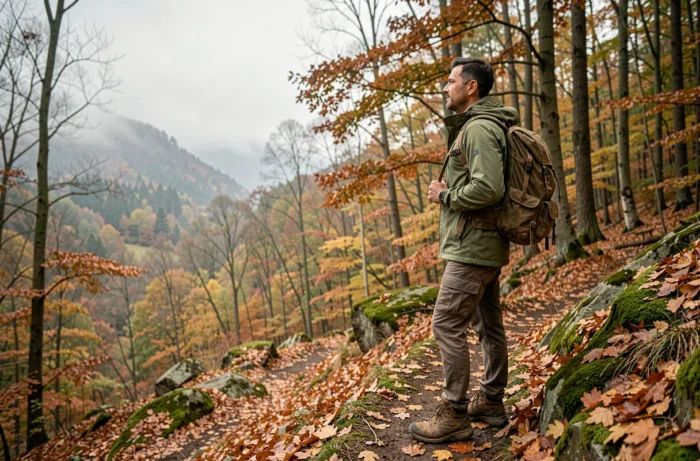
Gardening, forest walking, local heritage visits, or outdoor workshops find their best setting between March and May, and then between September and November. Tourist offices offer specific programs during these periods, often less crowded and therefore more enjoyable.
Outdoor escape games and urban treasure hunts work particularly well in mid-season. The weather remains manageable, queues are shorter, and prices are sometimes lower than during peak season.
Winter: beyond skiing
For those who do not live near a ski resort or do not ski, winter remains a favorable time for indoor leisure. Here are some concrete options that work from November to February:
- Creative workshops (pottery, painting, sewing) see a spike in registrations in January, often driven by New Year’s resolutions and the desire to break out of a domestic routine
- Visits to museums and temporary exhibitions, concentrated in major cities but also in lesser-known municipal structures, often offer better value for money during the week
- Cooking or wine-tasting classes in small groups, which combine learning and conviviality, are accessible in most French urban areas
Leisure with family and friends: what really works all year round
The search for shared activities often encounters a concrete problem: finding something suitable for participants of different ages and skill levels. Generic suggestions do not take this constraint into account.
Short-format activities with simple rules attract the widest audience. A family escape game, a game of laser tag, a canoe outing on an easy course, or a craft workshop allow for shared moments without requiring prior skills.
For children, leisure facilities are increasingly offering combined packages: an hour of supervised activity followed by free time. This mixed format limits fatigue and allows parents to participate or take a break as needed.

Choosing a leisure activity: three decisive criteria for regularity
Three parameters determine in practice whether an activity will actually be practiced or abandoned after one session.
- Geographical proximity remains the primary factor for regularity. An activity more than thirty minutes away is unlikely to become weekly, regardless of initial enthusiasm
- The actual cost, including subscriptions, conditions the duration of commitment. Pay-per-session options without commitment are better suited for a discovery phase than an annual package
- Compatibility with family or work schedules: evening slots or weekend mornings are the most in demand, and therefore fill up quickly. Booking early in the season makes a real difference
Feedback on the usefulness of online booking platforms for leisure activities varies. Some facilitate comparison, while others add fees or offer experiences of variable quality. Checking recent reviews and prioritizing locally recognized structures limits disappointments.
The choice of a regular leisure activity depends less on the originality of the activity than on its ability to fit into an already busy daily routine. Regularity matters more than intensity: a weekly session of an accessible activity creates a lasting anchor in the routine.