The free time of the French has significantly increased since the 1980s, and the way they occupy it is undergoing profound transformation. Leisure activities are no longer limited to a fixed list of Sunday activities: new practices are emerging, driven by technological advancements, wellness expectations, and a different relationship with sociability. This article details the recent changes in trendy leisure activities and their concrete drivers.
Independent sports practice: the fastest-growing leisure activity in France
According to the National Barometer of Sports Practices 2025 from INJEP, 61% of those aged 15 and older report exercising at least once a week. This figure marks a clear increase since 2018.
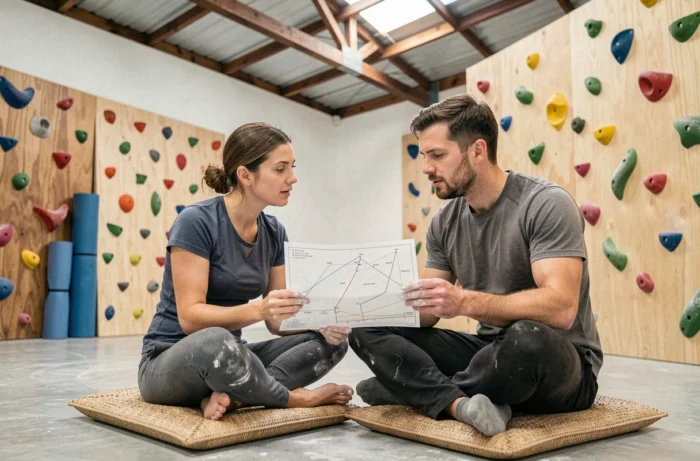
The novelty lies not in the volume, but in the form. About two-thirds of athletes now practice individually, outside of any association club. Home training, mobile apps, and on-demand classes are gaining ground each year.
This shift towards a hybrid sports practice between in-person and digital redefines what is meant by “sports leisure.” A guided strength training session via an app, followed by an independent running outing, represents a typical format. The club has not disappeared, but it is no longer the default entry point, especially among those aged 25 to 45 who prioritize scheduling flexibility.
To explore other activity options to try during free time, leisure activities on Le blog de Bango cover a wide range of practices, from sports to creative endeavors.
Alcohol-free outings and shared wellness leisure
A fundamental trend is reshaping festive moments, particularly among young adults. According to a Savanta ComRes study for the Fruit Juice Science Centre, 61% of 18-24-year-olds have already attended an alcohol-free party or outing in 2026. Among 18-34-year-olds, 75% are considering a trip entirely dedicated to their health and balance.
This phenomenon goes beyond mere abstinence. It gives rise to formats of social leisure focused on wellness: mocktail workshops, outdoor group sports sessions, yoga retreats with friends, board game nights without a bar. Sociability remains the driving force, but the setting is changing.
Establishments are adapting. Bars are offering elaborate alcohol-free menus, gyms are organizing nighttime events, and escape games or immersive experiences are capturing part of this demand for active outings.
Casual mobile gaming and board games: two expanding leisure activities
Gaming in all its forms is taking up an increasing amount of free time. Two segments stand out for their recent dynamism.
Mobile video games in casual mode
Casual gaming on smartphones no longer targets just teenagers. Short sessions (a few minutes), accessible without dedicated equipment, appeal to a broad audience, including those in their thirties and forties. This format fits into the gaps of the day: commuting, lunch breaks, waiting in line.
Revival of board games
At the same time, modern board games are experiencing a marked resurgence of interest. French publishers are increasing their releases, and game nights with friends or family have become a leisure activity in their own right. The toy and game market in France remains dynamic, driven by more varied game mechanics than ten years ago (cooperative games, narrative games, investigation games).
- Cooperative games, where all participants play together against the game, meet a demand for non-competitive sociability.
- Investigation games and living room escape games extend the enthusiasm for immersive experiences into the home.
- Short games (under 30 minutes) cater to the time constraints of families with children.
Micro-adventures in nature and local vacations
The French are traveling differently. The trend towards shorter, closer, and cheaper trips, documented by several recent surveys, does not indicate a retreat: it reveals a change in priorities. Escaping now happens within two hours of driving.
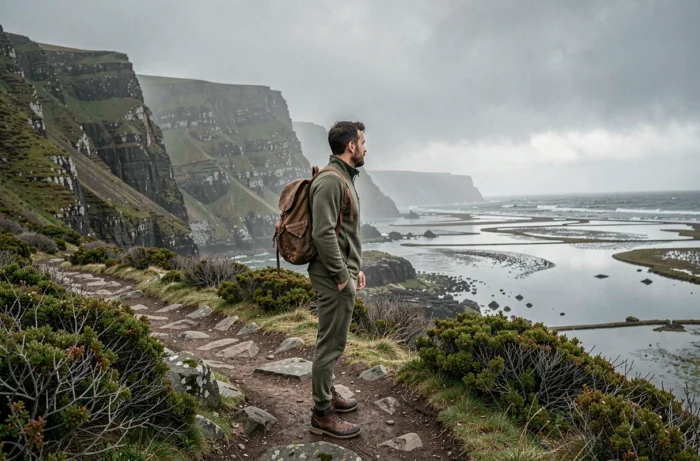
The micro-adventure, a concept that involves experiencing something out of the ordinary close to home, is gaining popularity. A one-night bivouac in the forest, a night hike, swimming in a wild river, or a naturalist outing at dawn: these short formats offer a break from the daily routine without requiring a vacation budget.
Gardens and green spaces also play a role. Gardening, long seen as a retiree’s hobby, is attracting a younger demographic that finds both moderate physical activity, direct contact with nature, and a tangible result (harvest, beautification).
- Orienteering courses and geocaching combine outdoor walking with a playful dimension, suitable for families.
- Soft survival workshops (plant identification, shelter building) are multiplying in rural French regions.
- Visits to local museums and heritage sites, often free on the first Sunday of the month, remain an accessible and underrated cultural leisure activity.
Creative leisure and the DIY economy
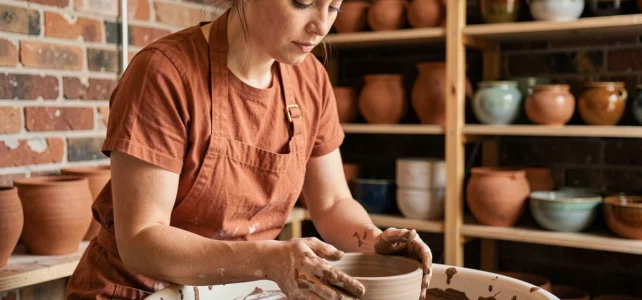
The creative economy is influencing leisure practices. Do It Yourself is not limited to knitting or scrapbooking: handmade production now includes ceramics, 3D printing, and technical sewing.
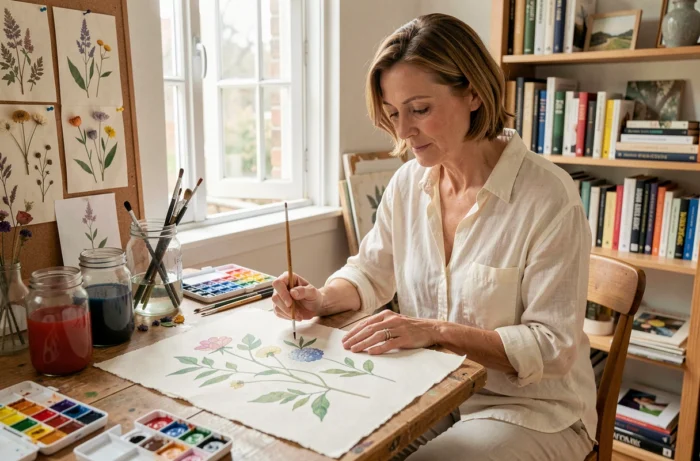
In-person workshops (pottery, woodworking, cosmetics making) are often fully booked in large cities. Their success is due to the combination of concrete learning, a social moment, and an object to take home. The pleasure of producing something tangible contrasts with often dematerialized workdays.
Video tutorials and online course platforms complement the offering for those who prefer to practice at home. Even modest technical progress generates a sense of accomplishment that passive content consumption does not provide.
The common thread of these changes remains the same: the leisure activities that are growing combine autonomy, scheduling flexibility, and a chosen social dimension. The mandatory club on Wednesdays is giving way to modular practices, often hybrid between physical and digital. The next step will likely involve mixed reality and immersive experiences, already present in escape games and connected gyms, but still marginal in households.