
Saint Antonin mineral water, bottled in Tarn-et-Garonne by the Sources Alma group, has been making headlines since its recent arrival on the shelves. Magnesium-rich, sulfate, and calcium water, it is presented as one of the most mineralized waters on the French market. Its positioning targets an audience facing sluggish transit, a segment long dominated by Hépar. Consumer feedback is starting to accumulate online, with mixed results depending on the type of constipation involved.
Mild or Chronic Constipation: Divergent Feedback
The distinction between mild functional constipation and established chronic constipation is the blind spot of most discussions around Saint Antonin. However, reviews published between 2025 and 2026 outline a fairly clear dividing line.
For individuals facing occasionally slow transit (hard stools over a few days, temporary feelings of heaviness), field reports describe a gradual improvement after one to two weeks of daily consumption. The mechanism relies on the osmotic action of sulfates and magnesium, which draw water into the intestinal lumen and soften stools.
Users compiling reviews on Saint Antonin mineral water note a recurring pattern: genuine satisfaction among those describing moderate digestive discomfort, frequent disappointment among those whose constipation has deeper causes (colonic motility disorders, medication side effects, identified digestive pathologies).
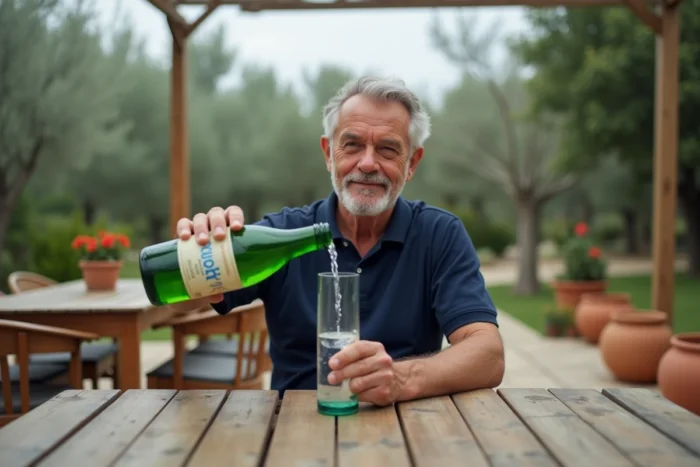
In cases of chronic constipation, water alone is generally not sufficient. The most documented feedback mentions the need to combine water with an increased intake of dietary fiber, or even a prescribed laxative treatment. In other words, Saint Antonin functions as a supplement, not as a therapeutic substitute.
Mineral Composition of Saint Antonin and Mild Laxative Effect
Saint Antonin stands out due to its high content of magnesium, calcium, and sulfates. It is this specific combination that gives it its mild laxative effect, as described by nutritionists who recommend it.
Magnesium acts on intestinal motility by stimulating water secretion in the colon. Sulfates enhance this osmotic effect. Calcium, often associated with a risk of constipation in other contexts (dietary supplements, excessive dairy products), seems to be offset here by the massive presence of sulfates.
Several elements emerge from consumer feedback regarding digestive tolerance:
- The taste is described as neutral by the majority of users, which facilitates regular consumption over time.
- Fewer reported bloating than with some competing highly mineralized waters, a point raised by several online testimonials.
- The effect is not immediate: the regularity of consumption over several days, or even weeks, conditions the results.
This tolerance profile explains why some consumers prefer Saint Antonin over other magnesium-rich waters. Conversely, those expecting a quick result, comparable to a stimulant laxative, often express their disappointment.
Saint Antonin vs. Hépar: What Reviews Allow Us to Compare
The comparison with Hépar comes up in nearly all online discussions. Hépar has long occupied the niche of laxative water in French retail. The arrival of Saint Antonin, positioned as more mineralized, has reshuffled the cards.
In terms of composition, Saint Antonin boasts a higher overall mineralization than Hépar. Both waters share a sulfate and magnesium profile, but Saint Antonin claims higher levels of magnesium and calcium.
Consumer reviews who have tested both waters fall into three profiles:
- Those who find Saint Antonin more effective for their transit and appreciate a taste perceived as lighter.
- Those who notice no significant difference between the two waters and choose based on price or availability on the shelf.
- Those who report better tolerance with one or the other, without a clear consensus emerging.
The available data do not allow for a conclusion of clinical superiority of one over the other. No published comparative study directly examines the laxative effect of these two waters in constipated subjects. Individual testimonials remain the only available material, with all the limitations that entails.
Limitations of Online Reviews and Regulatory Framework for Health Claims
Saint Antonin water benefits from the status of natural mineral water, which imposes a protected underground origin and a stable composition. However, this status does not allow it to claim a therapeutic effect on constipation in its commercial communication.
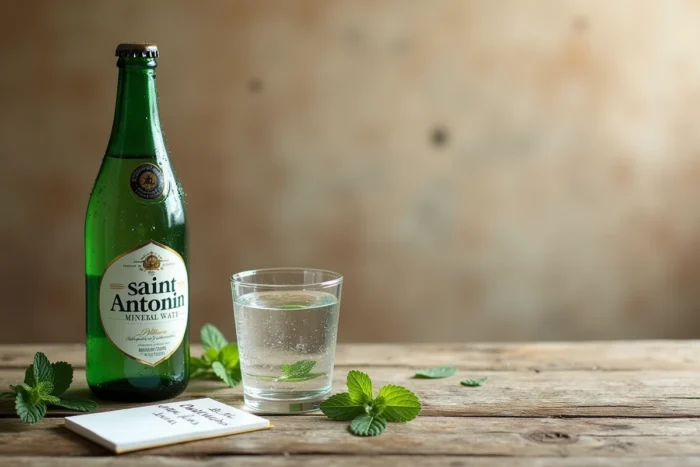
Saint Antonin’s marketing campaign plays on the theme of digestive comfort and transit, without crossing the line of health claims in the regulatory sense. The term “laxative” does not appear in the official communication of the brand, even though consumers and some nutritionists widely use it.
Published reviews online suffer from classic biases. Satisfied individuals and those very disappointed express themselves more than those who notice a moderate or no effect. The overall dietary context (fiber intake, total hydration, physical activity) is almost never mentioned in testimonials, even though it directly conditions the effectiveness of magnesium water on transit.
Another rarely raised point: the duration of consumption before evaluation varies greatly from one review to another. Some judge the water after two or three days, others after several weeks. This heterogeneity makes any global synthesis fragile.
For constipation that persists beyond a few weeks despite dietary adjustments and adequate hydration, a medical opinion remains the most reliable approach, regardless of the mineral water chosen.