When planning a day trip, the classic reflex is to aim for the coast or a Parisian monument. The problem is that for the past two summers, the intense heat and overcrowding have made these destinations less comfortable than before.
Mountain resorts are now the big winners of the summer season according to the specialized blog Elloha, with an increase in occupancy rates and attendance supported by hiking and outdoor events. Rethinking excursions in France involves making concrete choices about terrain, adapted to new climatic realities and the desire for participatory experiences.
Mountain excursions: the cool destination that changes the game
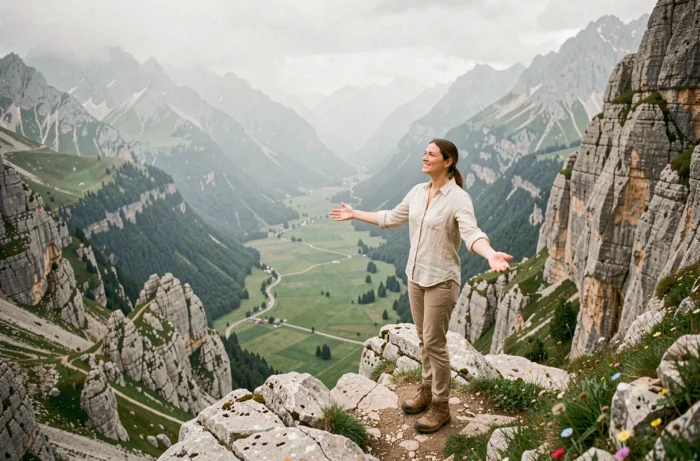
The mountain is often underestimated outside of ski season. Since the summer of 2025, the trend has reversed: travelers are actively seeking cooler, mountainous destinations to escape extreme heat episodes. The Alps, the Pyrenees, and the Massif Central offer full days without enduring the coastal heatwave.
On the ground, a high-altitude excursion is prepared differently. One checks the trail conditions the day before, schedules an early morning departure to enjoy the coolness, and allows extra time for the frequent afternoon storms in the mountains. To explore the activities offered by Excursion Info, there are guided outings that incorporate these weather constraints into their organization.
The Montagne 2026 law, particularly its article 16 on the right of way for hiking trails, strengthens access to walking routes. This means that some paths that were previously closed or contested by private owners are now legally accessible. This is good news for hikers planning excursions in less marked areas.
Participatory tourism in France: workshops, crafts, and local immersion
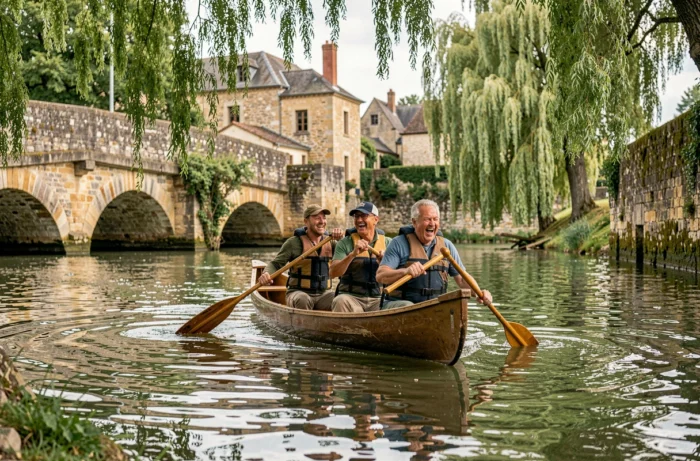
The 2026 data describes a clear shift towards participatory and immersive experiences. It’s no longer enough to just look at a castle from the outside. The excursions that work today include a craft workshop, an introduction to a local skill, or a meeting with a producer.
This evolution affects all regions. In Champagne, some estates open their cellars for disgorging sessions. In Provence, lavender distillation workshops replace the simple photo in the field. In the Basque Country, participants engage in making sheep cheese rather than buying it in a shop.
What distinguishes a participatory excursion from a classic visit
- You handle, create, or cook something that you take home, which anchors the memory in reality
- The group remains small (rarely more than ten participants), allowing for real interaction with the artisan or guide
- The duration often exceeds half a day, as the pace is that of the action rather than that of a tourist bus
Feedback varies on this point, but travelers who try this format rarely return to the monument-photo-restaurant scheme.
Bivouacking and nights in nature: what the regulations really allow
Spending a night outdoors during a multi-day excursion is attracting more and more people. Bivouacking in France remains a poorly understood topic. Bivouacking is tolerated, but not explicitly authorized in most natural areas. You pitch your tent at sunset, take it down at sunrise, and leave no trace.
In national parks, the rules are stricter. Bivouacking is generally only possible at a certain distance from the core park boundaries and only during specific hours. Each park displays its own conditions on its website. Outside national parks, municipal or prefectural orders set local prohibitions.
Preparing for a bivouac without unpleasant surprises
- Check local orders before leaving, especially in summer when fire risks lead to temporary bans
- Prefer marked bivouac areas in forested areas, which offer a clear legal framework
- Bring a gas stove instead of making a fire on the ground, which is prohibited in almost all French forests
- Plan to bring a waterproof trash bag to take all your waste back down, including peels
Excursions outside France: adapting your reflexes to other terrains
When leaving French territory, acquired habits are not always sufficient. The rules for accessing trails and natural sites vary greatly from country to country. In Spain, some natural parks impose a daily visitor quota with mandatory reservations. In Iceland, wild camping is now regulated by recent laws that require the use of official campsites in tourist areas.
For guided sports activities abroad (canyoning, via ferrata, diving), check that the provider has valid liability insurance and certified supervision. This reflex protects more than a five-star review on a booking platform.
Outdoor activities abroad: points of caution
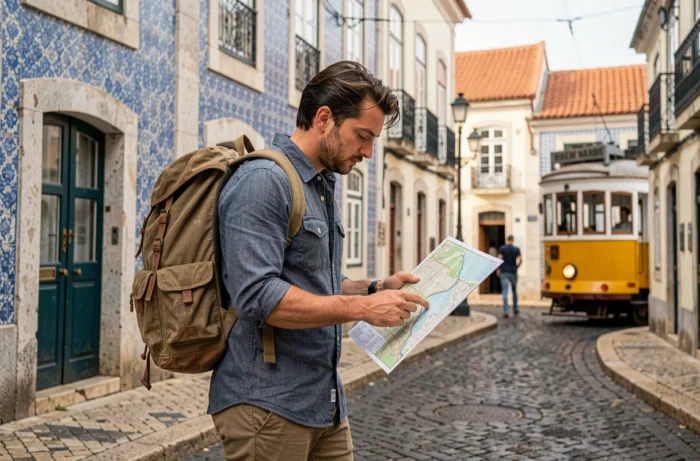
The equipment provided by local providers is not always up to European standards. You can bring your own helmet or harness if you practice regularly. For hiking, a paper topographic map remains more reliable than a GPS app in areas without network coverage, especially in the Mediterranean mountains or Scandinavian fjords.
Travel insurance with repatriation coverage and medical expenses abroad is not a luxury. The costs of helicopter evacuation in mountains outside the European Union reach amounts that alone justify taking out specific insurance.
The most memorable excursions are not those that check off the most sites, but those where one takes the time to understand a place. Departing with a flexible itinerary, a margin for the unexpected, and a minimum of regulatory preparation remains the best way to turn an ordinary outing into a meaningful day.